

A 2007 study from FMCSA found that 6%, or 8,000, of all truck accidents each year were caused by tire failure. However, that number could be substantially higher because this study was conducted nearly 20 years ago. Additionally, a 2023 study from NHTSA found that tire failure caused 646 fatal accidents that year.
These stats show the importance of tire safety. Neglecting tire maintenance, like proper inflation and rotation, increases the risk of flats, blowouts, and tread separation. These accidents are preventable. Routine maintenance can prevent fines, avoid points on your license, and, most importantly, save lives.
DOT Regulations on Tire Safety
The Department of Transportation (DOT) has strict regulations on tires for commercial vehicles such as trucks. Truckers should not use tires that are separated at the sidewall or tread, have cuts or cracks, are flat, or have audible leaks.
Maintaining tire safety also helps drivers avoid getting points in FMCSA’s Compliance and Safety Accountability system. In this system, neglected tire violations have the strictest penalties, adding up to eight points to a driver’s license (15 points on your license in most states, and your CDL is suspended for two months).
Eight-point violations include:
- Visible tire ply, fabric, or belt material
- A flat tire
- Noticeable air leaks
- Detachment of the tire tread or sidewall
- Cuts in the tire that expose the ply or belt
- Inadequate tire tread depth
Lesser violations (three-point) include:
- Tires with low inflation
- Regrooved tires
Also read: How Much Do Truck Drivers Make?
Tire Maintenance Best Practices
Skipping tire safety to get on the road faster can be tempting, but any time you save will be lost with a blowout or flat. So, take the time to follow these best practices and save time in the long run, while staying safe and avoiding fines.
Make tire inspections routine: Long-haul truckers should inspect tires before and after a trip. Short-haul and delivery drivers should make it routine (once a week, for example). Carefully check for cuts, bulges, and wear. Also, touch base on the rest of the points below.
Keep tires properly inflated: If you don’t have one, invest in a quality digital tire gauge, which is more accurate than stick models. Check the door jamb or owner’s manual for the proper PSI (many tires also have this printed on the sidewall). Newer trucks (post-2008) have a low PSI warning light built in, but this light is only triggered when a tire reaches a specific threshold. It pays to be proactive.
Remember to account for temperature changes, as cold tires have a lower pressure than warm tires. And don’t forget to check the spare tire.
Monitor tread wear: Tires are considered worn out at 2/32 inches of tread and must be replaced, but you should consider replacing them once they hit 4/32 inches.
Use a tire tread gauge or a penny to monitor wear. For the penny trick, flip it upside down, so Lincoln is inverted, and stick it in the tread groove. If you can see the top of Honest Abe’s head or the space above it, it’s time for a new tire. In addition, most truck tires have tread wear indicators printed into the tread. When the indicator is at the same level as the rest of the tire, replace it.
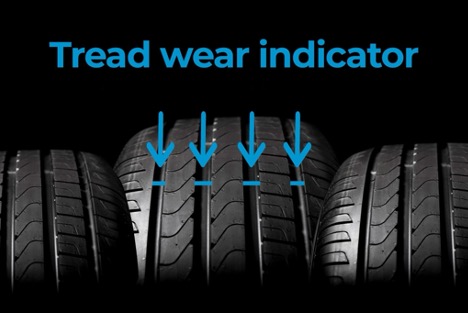
Rotate tires: Rotate tires every 5,000–8,000 miles—or sooner if signs of irregular wear appear. Note that trucks with different-sized tires can’t be rotated.
Keep tires balanced and aligned: Poor balance or alignment can impact fuel efficiency and cause vibrations that strain the truck and driver. Make sure to balance and align tires regularly.
Keep tires clean: Gravel or bits of other debris can lodge in the tread and cause uneven wearing.
Don’t overload the truck: Taking on a load over the recommended capacity wears on the truck and tires. Not only could it cause a blowout, but it might get you written up for a fine at a weigh station.
Keep good records: In your maintenance log, track tire alignment, rotation, replacements, and other activities that could affect tire safety.
Your Success is Our Priority at Pace
Tire safety is only one of the topics Pace can help drivers with. Pace provides our drivers with extensive and continuous training, mentorship, and the necessary resources for their professional growth. We offer support in crafting effective resumes, preparing for interviews, and understanding the essential aspects of the job, including compliance regulations.
Ready to take the next step? Connect with a recruiter today.